Engaging in Group Activities for Senior Care Homes

Group activities for seniors in nursing homes are not just about passing the time; they are a powerful tool for enhancing well-being and quality of life. But have you ever wondered how these activities can promote companionship, mental stimulation, physical health, and happiness? This article will explore engaging group activities for seniors in care homes.
Key Takeaways
- Group activities give residents opportunities for conversation, shared interests, and companionship.
- Games, crafts, music, and gentle movement offer different ways to participate.
- Match activities to each resident’s interests, abilities, and comfort level.
- Adapt the pace, instructions, and environment so participation feels welcoming.
- Ask each community which activities it offers and how staff support individual preferences.
The Importance of Social Activities for Seniors in Assisted Living
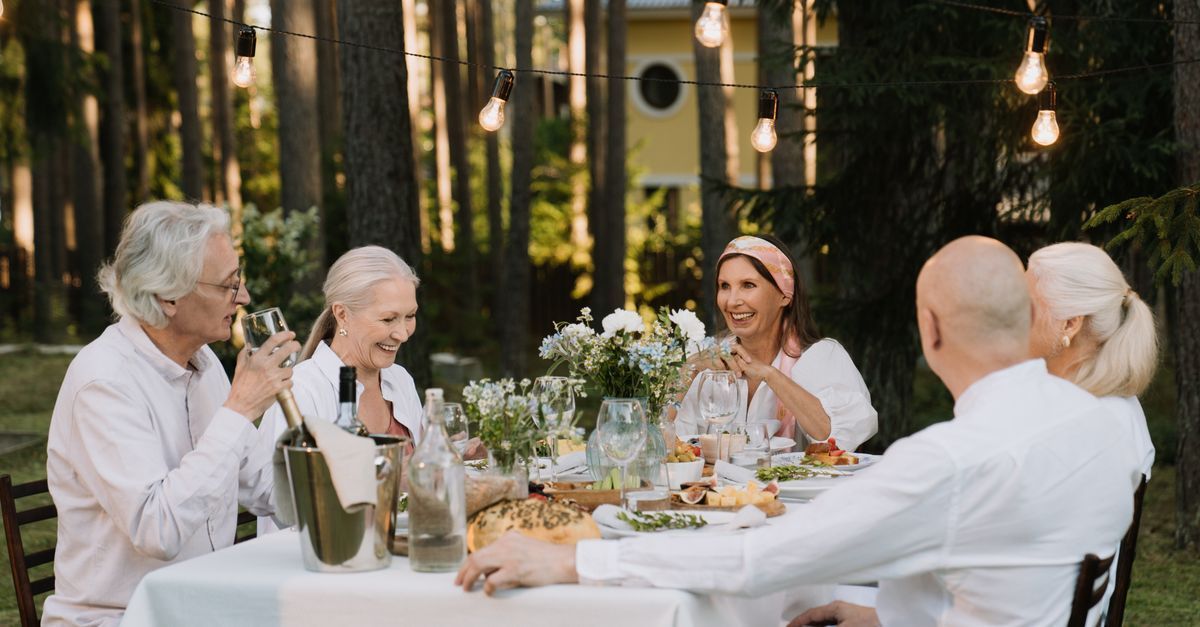
Social activities are essential for seniors in assisted living facilities, providing valuable opportunities to build relationships, foster a sense of belonging, and reduce feelings of loneliness and isolation. Group activities offer opportunities for conversation, creativity, mental engagement, and enjoyment. It also helps seniors stay connected with the community and maintain a more active and fulfilling lifestyle. By overcoming the challenges of isolation, seniors can experience improved mental health, increased social support, and enhanced overall happiness.
Benefits of an Active Social Life
Participating in social activities has numerous benefits for seniors in assisted living facilities:
- Enhanced mental well-being: Regular social engagement gives residents opportunities to share ideas, explore interests, and connect with others. It provides opportunities for mental stimulation, creativity, and intellectual discussions, promoting lifelong learning and mental agility.
- Emotional support: Social activities offer a supportive environment where seniors can interact with their peers, share their experiences, and receive emotional support. This may help residents feel more connected and supported.
- Physical health: Some social activities involve physical movement and exercise, promoting physical health and well-being. Activities such as dancing, walking clubs, or gentle exercise classes help seniors maintain mobility, flexibility, and overall physical fitness.
Overcoming Isolation in Senior Living Facilities
Senior living facilities can sometimes be isolating environments, but social activities play a crucial role in helping seniors overcome these challenges:
- Building relationships: Group activities allow seniors to meet and interact with like-minded individuals, fostering new friendships and support networks. This creates a sense of camaraderie and a supportive community within the assisted living facility.
- Promoting socialization: Engaging in social activities ensures that seniors have regular opportunities for social interaction, reducing feelings of isolation and loneliness. These activities can include group outings, game nights, arts and crafts sessions, and community events.
- Creating a sense of purpose: Participating in social activities gives seniors a sense of purpose and meaning. It allows them to contribute their skills, knowledge, and experiences to the community, boosting their self-esteem and overall well-being.
Embracing Diversity in Senior Group Activities
To create a vibrant and inclusive environment for seniors in care homes, embracing diversity in group activities is essential. Care homes can ensure everyone feels valued, respected, and included by considering senior residents’ different backgrounds, interests, and abilities. A wide range of activities catering to various cultural, recreational, and cognitive preferences allows seniors to connect and thrive in a supportive community.
Embracing diversity means acknowledging and appreciating each individual’s unique characteristics and experiences. Care homes foster a sense of belonging among seniors by providing inclusive group activities and promoting social interaction, emotional well-being, and overall happiness. Creating a diverse activity program also encourages residents to share their talents, traditions, and stories with others, fostering mutual understanding and appreciation.
When planning group activities, it is important to consider senior residents’ diverse needs and interests. Some seniors may prefer cultural activities such as cooking workshops or traditional music performances, allowing them to celebrate and share their heritage with others. Others may enjoy recreational activities like gardening, painting, or even participating in a book club. By offering a variety of activities, care homes can ensure that all seniors have opportunities to engage and participate based on their personal preferences and abilities.
Inclusive group activities also promote cognitive engagement and stimulate mental acuity among seniors. Games incorporating different cultures and languages can invite residents to share knowledge and practice problem-solving. Providing varied activities offers opportunities for mental engagement and lifelong learning.
By embracing diversity in senior group activities, care homes create an environment that celebrates the unique qualities of each resident while fostering meaningful connections and promoting overall well-being. Offering inclusive and diverse group activities allows seniors to engage, learn, and grow together, ensuring their time in the care home is filled with enjoyment, companionship, and a sense of fulfillment.
Group Activities for Seniors in Nursing Homes
Group activities can offer seniors opportunities for conversation, problem-solving, and shared enjoyment. Explore group activities at New Day Cottages, or consider these two types of games and challenges:
Cognitive Stimulation Games
Cognitive stimulation games are a great way to keep seniors’ minds active and engaged. These games invite residents to use familiar knowledge, solve problems, and enjoy a shared challenge. Here are some examples of cognitive stimulation games that can be enjoyed in a group setting:
- Word puzzles: Crossword puzzles, word searches, and anagrams
- Trivia quizzes: General knowledge quizzes or themed quizzes based on history, movies, or sports
- Memory exercises: Memory recall games, matching games, or memory card games
These games offer mental engagement and a chance to have fun with peers.
Cooperative Puzzles and Challenges
Cooperative puzzles and challenges are another group activity that promotes teamwork, problem-solving, and social interaction among seniors. These activities require collaboration and communication, fostering a sense of camaraderie and shared achievement. Here are two examples of cooperative puzzles and challenges:
- Jigsaw puzzles: Working together to assemble a puzzle can be rewarding and engaging. Seniors can exchange pieces, discuss strategies, and enjoy a sense of accomplishment when completing the puzzle.
- Escape room activities: Escape room games can be adapted for seniors, providing them with exciting challenges that require teamwork, critical thinking, and puzzle-solving skills. These activities encourage seniors to work together towards a common goal within a given time frame.
Cooperative puzzles and challenges stimulate seniors’ minds, foster social interaction, and create a sense of unity among the participants.
Dementia Activities for Seniors: Adapting to Different Abilities
| ASPECT | INDEPENDENT LIVING | ASSISTED LIVING |
|---|---|---|
| Level of care provided | Focuses on social needs and independence; limited medical and supportive care services. | Provides assistance with activities of daily living (ADLs) and access to medical and supportive care services. |
| Cost structure | Requires an entrance fee and monthly fee for maintenance and amenities. | Rental-based with monthly fees covering services and personal care assistance. |
| Community design | Large campuses with multiple buildings spread out, offering more space and distance between residences. | Smaller footprint with most resident needs provided within the building, including memory care programs for individuals with cognitive impairments. |
| Family involvement | Primarily resident-driven decisions with encouragement for family involvement in the community. | Active family involvement, especially for residents with dementia, including participation in care planning processes. |
| Amenities and programming | Flexibility in dining options and programming. | All-inclusive meals and tailored programming, particularly in memory care programs. |
When planning group activities for seniors with dementia, it is crucial to consider their cognitive abilities, interests, and safety. Selecting suitable, enjoyable, and engaging activities can provide cognitive stimulation, encourage reminiscence, and promote emotional well-being.
Selecting Suitable Activities for Dementia Patients
When choosing activities for seniors with dementia, focusing on their abilities and preferences is essential. Here are some ideas for engaging in dementia activities:
- Reminiscence therapy: Encourage seniors to share memories, look through photo albums, or engage in activities that evoke a sense of nostalgia.
- Sensory activities: Utilize the senses to stimulate cognition and create a multisensory experience. Activities such as aromatherapy, tactile stimulation with textured objects, or listening to familiar music can be beneficial.
- Art therapy: Engage seniors in painting, drawing, or other creative activities to express themselves and tap into their artistic abilities.
- Music therapy: Music has a powerful impact on individuals with dementia. Singing, playing instruments, or listening to familiar songs can help evoke emotions and memories.
- Gentle exercise activities: Encourage low-impact exercises like a chair or gentle stretches to promote physical well-being and stimulate cognitive function.
Creating a Safe and Inclusive Environment
When conducting dementia activities, it is essential to create a safe and inclusive environment for seniors:
- Minimize distractions: Reduce noise, clutter, and visual distractions that may cause confusion or anxiety.
- Clear communication: Use simple and concise language, speak slowly, and maintain eye contact when interacting with seniors. This helps them understand and engage effectively.
- Structured and familiar activities: Provide routines and familiar activities that create a sense of security and help seniors feel more comfortable and confident.
- Safe space: Ensure the activity area is well-lit, free of potential hazards, and easily accessible for seniors with mobility challenges or cognitive impairments.
By adapting activities to their abilities and creating a safe, inclusive environment, seniors with dementia can continue participating in meaningful and fulfilling group engagements that enhance their overall well-being.
Therapeutic Activities for Seniors in Long-Term Care
Seniors in long-term care facilities can significantly benefit from engaging in therapeutic activities that promote their physical, emotional, and psychological well-being. These activities provide comfort, self-expression, relaxation, and sensory stimulation. The suitability of therapeutic activities depends on the individual and should be discussed with qualified professionals.
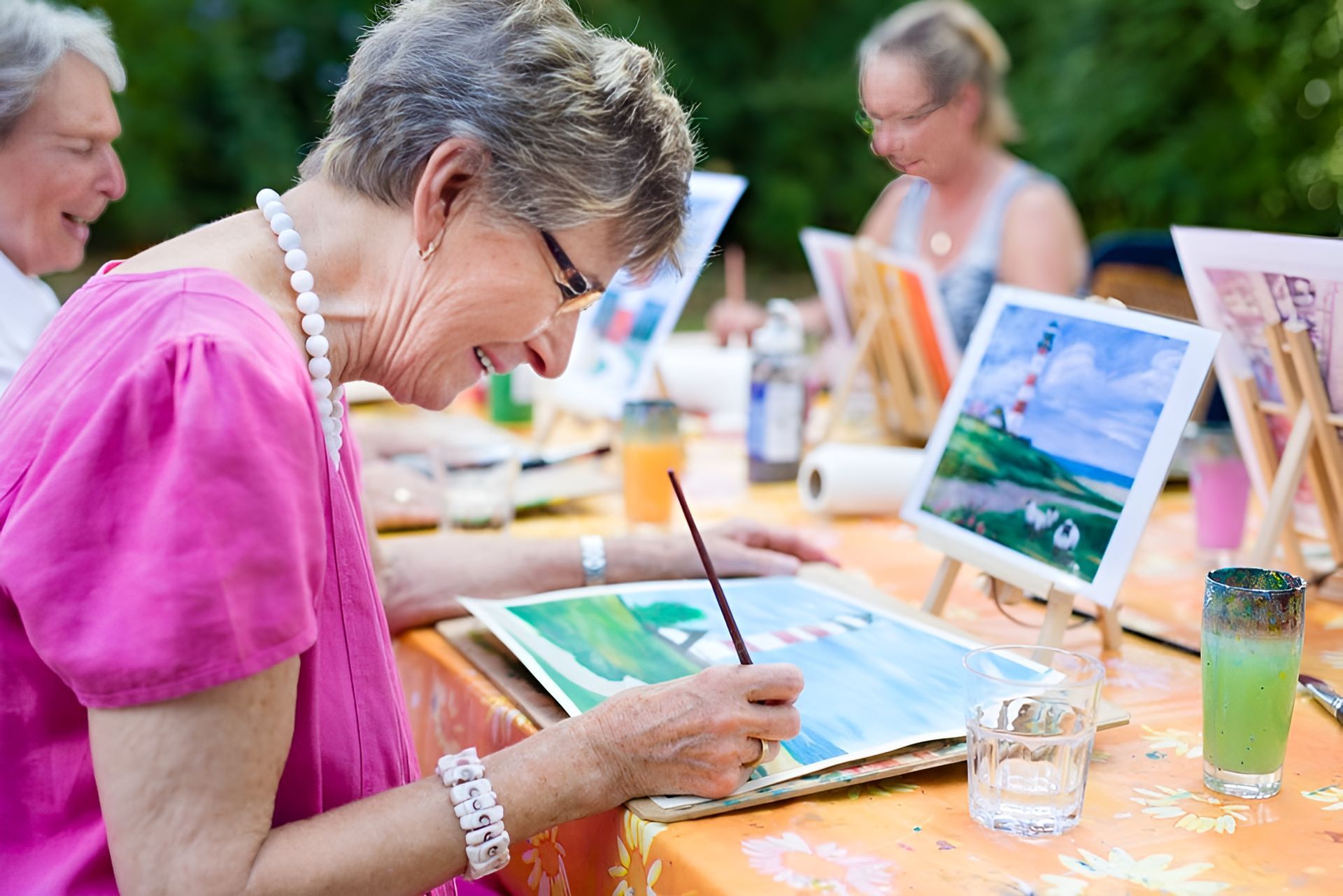
One popular therapeutic activity is art therapy, which allows seniors to express themselves creatively through various art forms such as painting, drawing, and sculpting. Engaging in artistic activities provides a means of self-expression and offers opportunities for relaxation and creative expression.
Music therapy is another valuable therapeutic activity for seniors in long-term care. Listening to music or participating in singing, playing instruments, or rhythmic exercises can stimulate positive emotions, improve mood, and foster connections. Familiar songs can provide a starting point for conversation and shared memories.
Pet therapy is a unique therapeutic activity that involves interacting with specially trained animals, such as therapy dogs or cats. The presence of animals can bring comfort, reduce stress, and increase social engagement for seniors. Animal visits should reflect each resident’s preferences, allergies, and comfort with animals.
Incorporating massage therapy into seniors’ care routines can provide numerous benefits. Its suitability should be considered individually with a qualified professional and the resident’s care team.
By offering a variety of therapeutic activities, long-term care facilities can provide seniors with opportunities for self-care, emotional support, and sensory stimulation. These activities contribute to a holistic approach to enhancing the overall well-being of seniors in long-term care.
Programs and services vary by community. Ask which activities are offered, who leads them, and whether individual professional support is needed. New Day Cottages describes its therapy partnerships on the amenities page.
Recreational Activities for the Elderly in Nursing Homes
In nursing homes, recreational activities are crucial in enhancing seniors’ well-being and quality of life. These activities bring joy, creativity, and entertainment to their daily lives, providing opportunities for self-discovery, social interaction, and fun.
Crafts and Creative Workshops
Crafts and creative workshops are popular recreational activities among seniors in nursing homes. They allow seniors to express their artistic abilities and engage in hands-on activities. These workshops promote fine motor skills, boost self-expression, and provide a sense of accomplishment.
Seniors can participate in various crafts such as painting, pottery, knitting, and jewelry. These activities stimulate their creativity and offer a platform for socializing and sharing their skills with fellow residents.
Music and Dancing Activities
Music and dancing activities have numerous benefits for seniors in nursing homes. They tap into the emotional and physical benefits of rhythm, movement, and creativity.
Seniors can enjoy sing-alongs, karaoke sessions, and live musical performances, which provide opportunities for self-expression and enjoyment. Dancing activities, such as ballroom dancing or chair dancing, promote physical fitness, balance, and coordination.
Music and dancing activities also create a lively and engaging atmosphere, encouraging social interaction and community among the residents.
Recreational activities, such as crafts and creative workshops, as well as music and dancing activities, play a vital role in enhancing the quality of life for seniors in nursing homes. These activities promote self-expression, encourage social interaction, and provide a platform for fun and enjoyment.
Celebrating Cultures and Traditions Through Group Engagement
Celebrating cultures and traditions through group engagement is a beautiful way to foster a sense of identity, belonging, and cultural appreciation among seniors in care homes. By incorporating cultural activities into their daily lives, such as traditional music, dance, cuisine, and art, care homes can create meaningful experiences that honor the diverse heritage of their residents. These activities provide a platform for intercultural understanding, connection, and a more profound sense of community within the care home setting.
When seniors can engage in cultural activities, they feel a stronger connection to their roots and a sense of pride in their traditions. This can profoundly impact their overall well-being and quality of life. Cultural celebrations and rituals allow seniors to share their experiences, stories, and traditions with others, fostering a greater understanding and appreciation of different cultures among residents and staff.
The benefits of celebrating cultures in senior care homes are not limited to the residents alone. Staff members and caregivers also benefit from the rich diversity within the community. By embracing cultural activities, care homes create an inclusive environment that values and respects all individuals’ backgrounds, experiences, and traditions. This promotes a sense of unity and harmony among staff and residents, fostering a positive and supportive atmosphere.
Engaging in cultural activities also stimulates cognitive function and social interaction among seniors. Whether learning a new dance, participating in a cooking class, or creating art inspired by different cultures, these activities provide mental stimulation and a platform for residents to engage with one another. They offer opportunities to learn from each other, share knowledge, and explore new interests together.
Celebrating cultures and traditions through group engagement is integral to providing a vibrant and enriching environment in senior care homes. By incorporating cultural activities into residents’ daily lives, care homes foster a deeper sense of connection, appreciation, and understanding among seniors from diverse backgrounds. This enhances their quality of life and promotes greater well-being and community within the care home setting.
Games for the Elderly in Nursing Homes: Fun and Laughter
Games provide entertainment, intellectual stimulation, and socialization opportunities among the elderly in nursing homes. Classic board games and card games, such as chess, Scrabble, and bridge, promote strategic thinking, memory retention, and friendly competition.
Interactive video games can offer an engaging way to practice problem-solving and coordinated movements. These games offer a fun and engaging way for seniors to exercise their minds and stay mentally sharp.
Incorporating a variety of games into group activities ensures that seniors can experience fun, challenge, and social connection. Whether it’s a friendly game of cards or a virtual competition on a gaming console, games provide moments of joy and laughter for the elderly in nursing homes.
Physical Activities for Seniors in Nursing Homes: Promoting Mobility and Health
Physical activities are crucial for seniors’ mobility, strength, and overall health in nursing homes. Engaging in gentle exercise classes and walking clubs promotes physical fitness and provides opportunities for socialization and enjoyment. Seniors can maintain a healthy lifestyle by incorporating these physical activities into group engagements.
Gentle Exercise Classes
Gentle exercise classes cater to seniors’ diverse fitness levels and abilities in nursing homes. Yoga, tai chi, and seated exercises can offer opportunities for movement when adapted to a resident’s abilities and care guidance. Ask who leads the classes, what training they have, and how activities are adapted for individual needs. Gentle exercise classes enhance physical health and contribute to mental well-being and overall quality of life.
Walking Clubs and Outdoor Exploration
Walking clubs and outdoor exploration activities allow seniors to enjoy nature, engage in light physical activity, and socialize with their peers. Walking in a group setting provides motivation and companionship, making it easier for seniors to stick to a regular exercise routine. Whether it’s strolling through a nearby park or exploring scenic trails, outdoor activities offer the added benefits of fresh air, sunlight, and the beauty of nature. Seniors can take in the sights, sounds, and smells of the outdoors while improving their cardiovascular health and boosting their mood.
Incorporating physical activities into group engagements ensures seniors in nursing homes can maintain an active and healthy lifestyle. Gentle exercise classes and walking clubs promote physical fitness and provide opportunities for socialization, companionship, and enjoyment. By offering a variety of physical activities, nursing homes can support the overall well-being and quality of life of their senior residents.
Senior Citizen Activities: Fostering Lifelong Learning
Senior citizens can continue learning and personal growth through various educational activities. Offering workshops, lectures, and discussion groups on topics of interest allows seniors to expand their knowledge, share experiences, and stay mentally engaged. Lifelong learning activities include book clubs, history classes, technology tutorials, and language lessons. Care homes foster opportunities for ongoing learning and provide seniors with meaningful experiences and intellectual stimulation.
Community Service Projects: Engaging with the Broader Community
Engaging seniors in community service projects is a wonderful way for them to impact society and maintain a sense of purpose positively. These projects provide opportunities for seniors to contribute to the broader community meaningfully, fostering a sense of fulfillment and connection.
Charity Drives and Knitting for a Cause
Charity drives are an excellent community service project for seniors in care homes. By organizing and participating in donation campaigns for local causes, seniors can actively give back to their community. They can collect essential items such as food, clothing, or personal care products for those in need. Additionally, knitting for a cause is a popular activity among seniors, where they create blankets, hats, or scarves for charitable organizations to distribute to the less fortunate.
Mentoring Programs and Intergenerational Activities
Mentoring programs and intergenerational activities provide valuable opportunities for seniors to engage with younger generations and share their wisdom and life experiences. By participating in mentoring programs, seniors can guide and support children or young adults, serving as positive role models. Intergenerational activities, such as art classes, gardening projects, or reading programs, encourage meaningful connections and knowledge exchange between seniors and younger individuals. These activities foster mutual respect, understanding, and appreciation across generations.
Engaging in community service projects, charity drives, and intergenerational activities allows seniors in care homes to feel connected to the broader community and valued for their contributions. These projects provide a sense of purpose and fulfillment, promoting overall well-being and enhancing the residents’ quality of life.
Conclusion
Engaging in group activities is crucial for promoting companionship, well-being, and a sense of belonging among seniors in nursing homes. These activities provide opportunities for social interaction, mental stimulation, physical exercise, and emotional support. Care homes can create an environment that supports their residents’ overall health and happiness by offering various social, recreational, therapeutic, and physical activities.
From cognitive stimulation games to cultural celebrations and community service projects, group activities are integral in enhancing the quality of life for seniors in care homes. Cognitive stimulation games offer opportunities for mental engagement and shared enjoyment. Cultural celebrations foster a sense of identity, belonging, and appreciation for diverse backgrounds. Community service projects allow seniors to make a positive impact and maintain a sense of purpose. These activities provide entertainment and contribute to the overall well-being of seniors in care homes.
Incorporating engaging group activities that cater to senior residents’ diverse needs and interests is essential. From seniors with dementia to those with varying abilities, inclusive and adapted activities can make participation more accessible and welcoming. By embracing diversity, offering various activities, and creating a safe and inclusive environment, care homes can provide a vibrant and engaging experience for seniors.
Contact New Day Cottages to ask about the activities offered at each home and how participation can be adapted to your loved one.
Engaging in Group Activities for Senior Care Homes FAQs
What are some engaging group activities for seniors in nursing homes?
Engaging group activities for seniors in nursing homes can include cognitive stimulation games, cooperative puzzles, crafts workshops, music and dancing activities, and gentle exercise classes. These activities promote social interaction, mental stimulation, physical health, and well-being.
Why are social activities important for seniors in assisted living?
Social activities are essential for seniors in assisted living as they provide opportunities for building relationships, reducing loneliness, and enhancing mental and emotional well-being. Group activities provide opportunities for mental engagement, companionship, and shared enjoyment.
How can group activities be adapted for seniors with dementia?
Group activities for seniors with dementia can be adapted by considering their cognitive abilities and interests and creating a safe and inclusive environment. Suitable activities can include reminiscence exercises, sensory stimulation, and structured engagements that promote enjoyment and emotional well-being for individuals with dementia.
What are some therapeutic activities for seniors in long-term care?
Therapeutic activities for seniors in long-term care can include art, music, pets, and massage therapy. These activities promote self-expression, relaxation, and overall well-being for seniors in long-term care facilities.
What are some recreational activities for the elderly in nursing homes?
Recreational activities for the elderly in nursing homes can include crafts workshops, music and dancing activities, board games, and interactive video games. These activities provide opportunities for self-expression, creativity, socialization, and entertainment for seniors in nursing homes.
How can we celebrate cultures and traditions through group engagement in care homes?
We can celebrate cultures and traditions through group engagement in care homes by incorporating cultural activities such as traditional music, dance, cuisine, and art. These activities foster a sense of identity, belonging, and cultural appreciation among seniors in care homes.
What are some games suitable for the elderly in nursing homes?
Some games suitable for the elderly in nursing homes include classic board games, card games, and interactive video games designed for seniors. These games promote entertainment, intellectual stimulation, and socialization among the elderly in nursing homes.
How can physical activities benefit seniors in nursing homes?
Physical activities benefit seniors in nursing homes by promoting mobility, strength, and overall health. Gentle exercise classes, walking clubs, and outdoor exploration activities allow seniors to stay active, socialize, and maintain a healthy lifestyle.
How can senior citizens continue to engage in lifelong learning?
Senior citizens can engage in lifelong learning through various educational activities such as workshops, lectures, and discussion groups. These activities allow seniors to expand their knowledge, share experiences, and stay mentally engaged.
How can seniors in care homes engage with the broader community?
Seniors in care homes can engage with the broader community through community service projects such as charity drives and mentoring programs. These activities provide opportunities for seniors to contribute to the community and foster meaningful intergenerational connections.